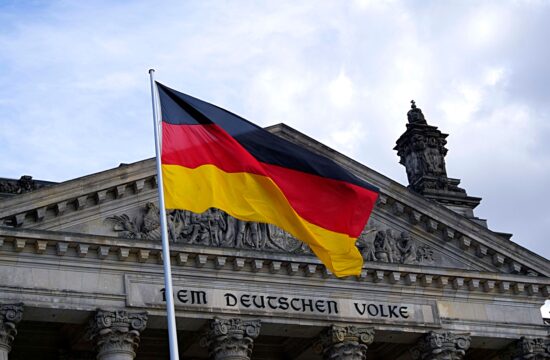
Germany Unveils Major Tax and Pension Reform to Fight Economic Slump
Germany’s governing coalition has rolled out one of its biggest reform packages in years, aiming to jolt Europe’s largest economy back to life and push back against a rising far-right challenge.
Chancellor Friedrich Merz’s government unveiled the plan — dubbed the “Programme for Revival and Employment” — with roughly €10 billion in annual income tax cuts targeted at low- and middle-income earners, set to begin January 2027. The package also overhauls Germany’s pension system, tightens rules around sick leave, and aims to cut bureaucratic red tape that businesses have long complained about.
The timing isn’t a coincidence. Merz’s coalition faces pressure from the far-right Alternative for Germany party, which is currently ahead in national polls before important state elections in eastern Germany this September. Al Jazeera
One notable change: workers will need a doctor’s note starting from their first day of illness, ending the pandemic-era rule that let people call in sick over the phone for the first few days.
Economists have reacted cautiously positively. A senior Deutsche Bank economist described it as one of the country’s most significant reform efforts in decades, and said it should help improve business sentiment — though the tax portion still needs sign-off from Germany’s upper house of parliament, which has raised concerns about lost government revenue. Al Jazeera
For expats and foreign residents in Germany, the sick-leave change is worth watching closely, since it affects anyone employed under German labor law.

Berlin