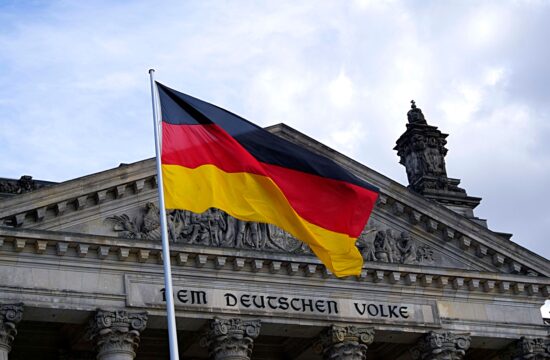
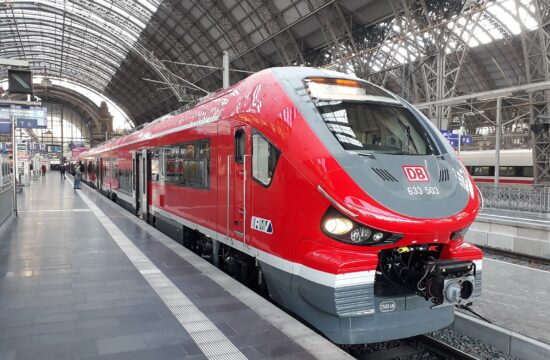
In 2025, Germany did something that would have been politically unthinkable a few years earlier: it loosened its constitutional restraints on borrowing and created a €500 billion special fund for infrastructure and climate neutrality. The fund was billed as a generational project — money for roads and railways, schools and daycare centers, hospitals, energy grids and digitalization, spread over more than a decade. Eighteen months on, the headline question has shifted from “how much?” to “why is so little of it actually being spent?”
What the fund is
The Special Fund for Infrastructure and Climate Neutrality (SVIK) sits outside Germany’s regular federal budget, which is what makes it special in the legal sense. Germany’s “debt brake” normally limits new federal borrowing to a small fraction of GDP. By anchoring the fund in the constitution, lawmakers exempted this €500 billion from that limit, allowing borrowing specifically earmarked for investment. A dedicated share flows to the federal states and municipalities, and another portion to the climate and transformation fund.
The economic case rested on a decade of visible decay: crumbling motorway bridges, an overloaded rail network, schools with leaking roofs, and one of the weakest stretches of growth in the Federal Republic’s history. Economists broadly agreed that Germany had an investment backlog running into the hundreds of billions. The German Institute for Economic Research estimated the package could add around a percentage point to GDP in 2026 and roughly two points annually in the years after — if the money flows.
The “if” is doing a lot of work
That conditional has become the story of 2026. Of the roughly €40 billion earmarked for deployment this year, only about €11 billion — a bit over a quarter — had actually been spent by late spring, according to reporting on government figures. Of 107 planned project milestones for the year, only 26 had been reached by the end of May. The finance ministry itself has publicly urged faster implementation, conceding that spending fell short of plan in the fund’s first year too.
Why so slow? The bottlenecks are the same ones that plague German public investment generally. Planning and permitting procedures routinely take years, even for straightforward renovations. Municipalities, which are responsible for a large share of actual construction, often lack the staff to draw up applications and manage projects. The construction sector, squeezed by years of high interest rates and materials costs, has limited spare capacity. And a special fund does not suspend procurement law: every project still moves through the same tendering machinery as before.
The political stakes
The slow start matters beyond engineering schedules. The fund was the centerpiece of the government’s answer to Germany’s growth problem — official projections of around 1.3 percent growth for 2026 lean heavily on public investment ramping up. If deployment keeps lagging, those forecasts wobble, and with them the political argument for having loosened the debt brake at all. Critics on the fiscal right already argue the money is being spread too thin, with some of it substituting for spending that would have happened anyway rather than funding genuinely additional investment.
Supporters counter that infrastructure spending is inherently back-loaded: the first years go to planning, and the visible construction — and the growth effects — arrive later. On that reading, judging a fourteen-year fund by its first eighteen months is premature.
What to watch
Three indicators will show whether the fund becomes the transformation it promised or a cautionary tale. First, the pace of disbursement: does 2027 spending get close to plan? Second, planning reform: the government has promised faster approval procedures, and without them no amount of money accelerates concrete. Third, municipal uptake: whether small towns, not just flagship federal projects, manage to pull down their share. Germany has solved its money problem. Whether it can solve its delivery problem is now the real test.